

How to Use Flocculants for Tank Water Treatment Effectively
Q. I would like to use your product for settling water in a tank; however, I think the pH is too low, and I need some advice and help.
ANSWER
Flocculants are highly effective for improving water clarity in tanks by binding fine suspended particles so they can settle and be removed. Correct application and post-treatment management are essential to achieve the best results.
Step 1: Prepare Your Tank for Treatment
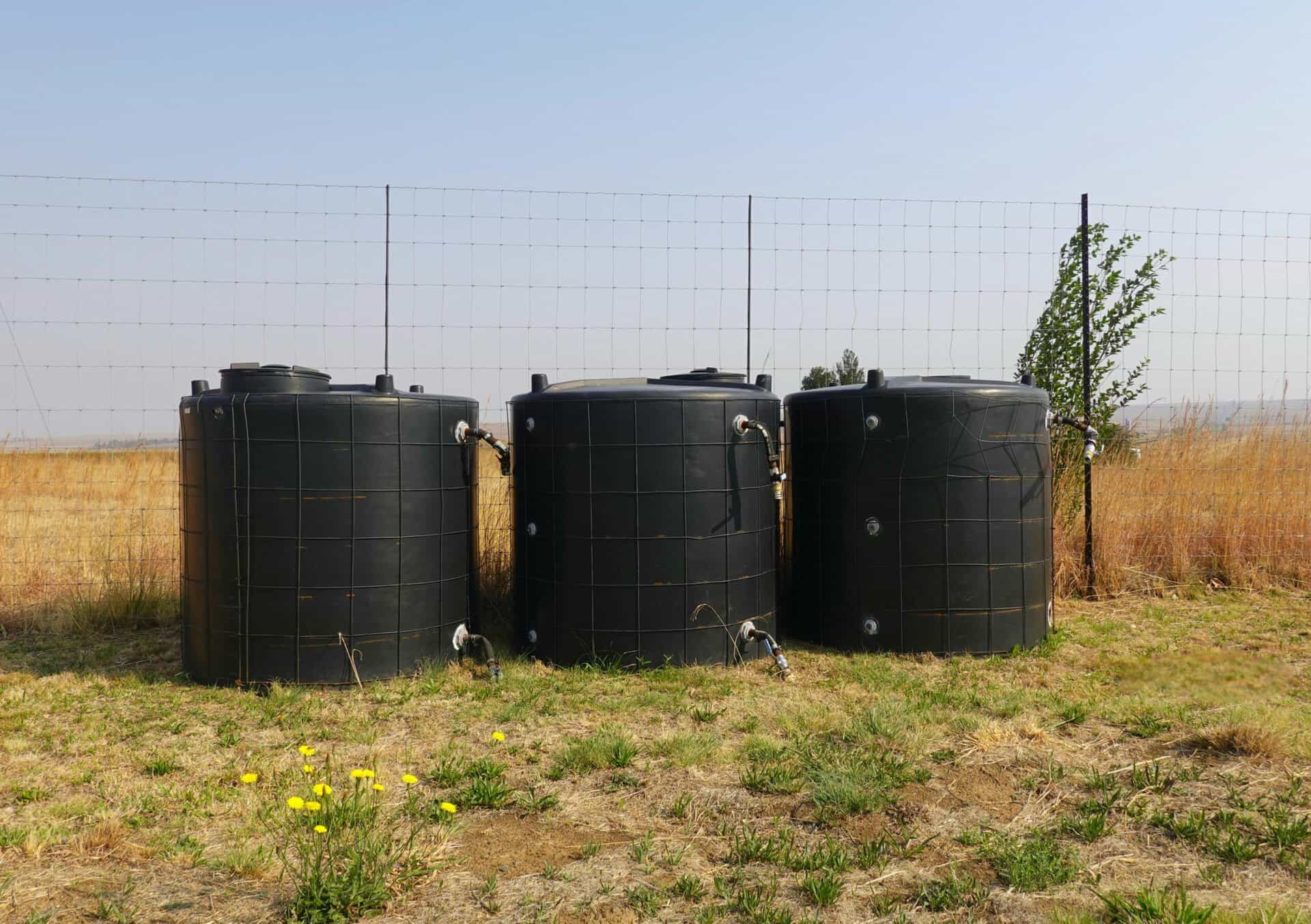
Before applying any flocculant, it’s important to ensure your tank setup allows for proper removal of settled material. Ideally, the tank should have a purge or drain point at the bottom so that any sediment can be removed after treatment.
Once the product has been applied, allow the water to sit undisturbed for approximately 72 hours. This gives the flocculant enough time to bind with suspended particles and settle them to the bottom.
After this settling period, purge the bottom of the tank to remove both the residual flocculant and the flocculated sediment.
Step 2: Choose the Correct Product Based on pH
The correct flocculant depends on your water’s pH level.
If your pH is between 6 and 9
You can use Aquatic Clear Dam flocculant at a rate of:
- 5 litres per 250,000 litres of water
This product is designed for direct dosing into suitable water bodies where pH is within the optimal range.
For application guidance, refer to the video here:
Product information here
If your pH is outside the 6–9 range
Use Aquatic Clear Drop Flocculent Block instead.
This method involves:
- Pumping water over a 3 kg flocculent block
- Allowing the product to release gradually into the water
- Treating approximately 300,000 litres per block
This approach is more suitable when water chemistry is outside the ideal pH range for direct dosing.
Flocculants are highly effective when used correctly, but the success of the treatment depends on two critical steps:
- Allowing sufficient settling time (around 72 hours)
- Properly removing settled material from the tank base
When combined with the correct product selection based on pH, this ensures the best possible water clarity and treatment outcome.